This is the gap I work in. I spent years as clinical staff inside private residential recovery centres, working with people for whom privacy wasn't a preference but a requirement. I know what a good discharge plan looks like, what the first six months at home actually involve, and how quickly old environments reactivate old patterns, especially for people whose public life demands they seem fine immediately.
Individual therapy, in your own hours
Alumni groups and check-in apps have their place. What they can't do is sit with you, weekly, in your own working hours, on the specific texture of your life: the client dinners where everyone's drinking, the marriage that's still bruised, the achievement engine that was never separate from the using. We work on relapse prevention with proper CBT structure and DBT-informed skills (the regulation and distress-tolerance work good treatment programmes already use, so we speak your centre's language), and on what the addiction was managing, because something was being managed. In my clinical experience, and in the research, two of the most common things underneath are developmental trauma and undiagnosed ADHD; the addiction was often the coping strategy that arrived first. Working at that level, not just at the level of staying stopped, is a large part of my practice. And because white-knuckling isn't a life, we draw on ACT-informed work to build one that's worth staying sober for.
For partners and families too
Addiction happens to more than one person. If you're the partner, the one who covered, coped, and held the family together, the recovery period can be strangely lonelier than the addiction was. I work with partners individually and with couples rebuilding trust after treatment.
For clinical teams and referring professionals: I offer discreet, individual continuing care for clients returning home across Europe, the UK and the Middle East: British-qualified, BABCP member, experienced with HNW clients, coordinating with your discharge planning and outcome reporting where consent allows. Contact me directly to discuss a referral relationship.
Questions people ask
Will you coordinate with my treatment centre?
Yes, if you want that. With your consent I'll liaise with your treatment team, follow the continuing-care plan they set, and complement, not replace, any alumni programme you're part of. Some clients prefer a clean separation instead; that's your call, and it stays confidential either way.
Is this only for people who've been to rehab?
No. I also work with partners and family members: the people who held everything together during someone else's addiction and are now expected to simply resume normal life. That work matters just as much, and it's usually nobody's job to offer it.
How discreet is this, practically?
Completely private practice: no insurance company, no records shared with anyone without your written consent, sessions from wherever you are. I've worked clinically with clients for whom discretion was non-negotiable, and the practice is built around that standard.
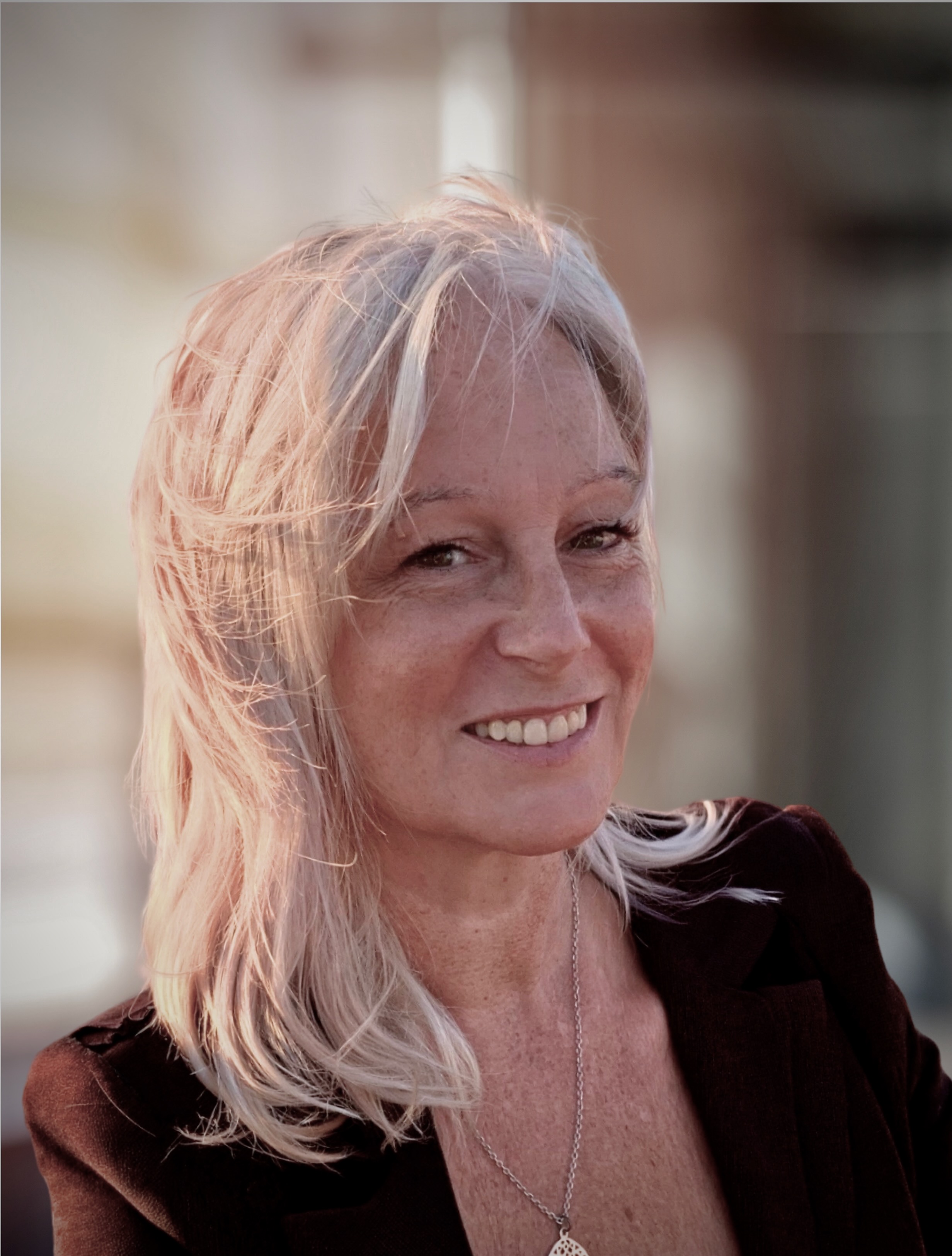
Clinical experience in private residential recovery centres, including Geneva and Marbella. A limited number of clients, so every person gets continuous, unhurried care.